If you manage vacation rentals, you’ve probably noticed that phishing scams aimed at your guests are getting more sophisticated, more convincing, and more frequent. That’s not a coincidence. AI tools have made it dramatically easier for scammers to scrape guest data, mimic your brand voice, and send out polished emails that look like they came straight from your team. The result? More guests falling for fake “payment failed” notices, more chargebacks, and more damage to the trust you’ve worked hard to build. Understanding how these attacks work — and how to protect yourself and your guests — has never been more important.
How Scammers Use AI to Target Your Guests
AI has lowered the technical barrier for phishing, allowing scammers to scrape, personalize, and impersonate at a scale we’ve never seen before.
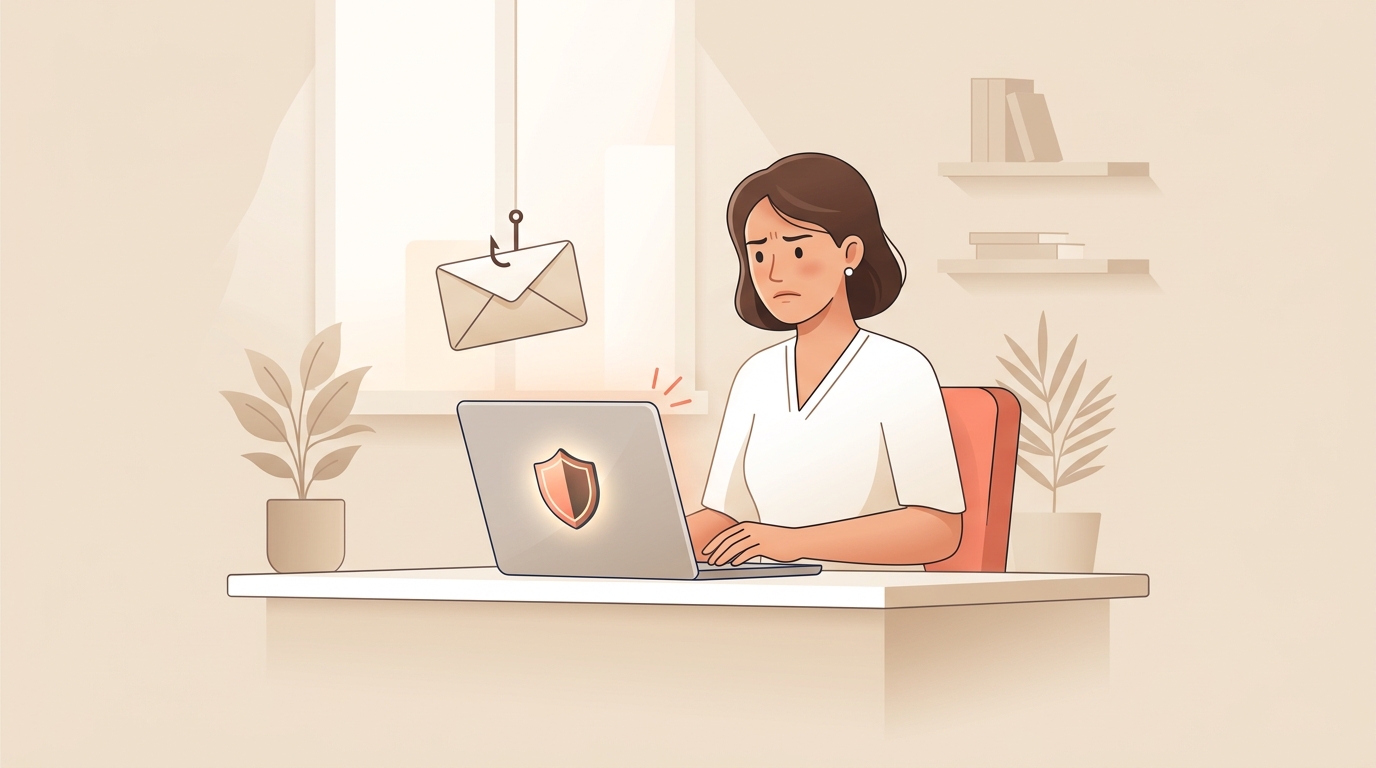
In the past, phishing emails were often easy to spot — broken English, sketchy formatting, generic greetings. Today, AI tools can generate flawless, brand-matched emails in seconds. Scammers feed AI a few examples of your real emails (often pulled from public booking confirmations or forwarded by previous victims) and the model spits out near-perfect replicas, complete with your tone, logo placement, and signature style.
Where do they get the guest data? A few common sources: data leaks from third-party platforms, compromised email accounts (often a guest’s own Gmail or Outlook), social engineering of property staff, and even scraping public review pages where guests mention upcoming trips. Once they have a name, a property, and an approximate stay date, AI helps them craft a believable message like: “Your payment for your stay at [Property Name] from June 12–18 has failed. Please update your card within 24 hours to avoid cancellation.” The urgency, the specificity, and the polish make these scams alarmingly effective.
The Most Common Scam Patterns to Watch For
Most AI-driven phishing attacks follow predictable patterns built around urgency, fear of losing a reservation, and impersonation of trusted brands.
Knowing the playbook helps you and your guests stay one step ahead. Here are the scams we’re seeing most often in the vacation rental space:
- “Payment failed” emails claiming the guest’s card was declined and the reservation will be canceled unless they re-enter payment details on a fake link.
- “Verify your booking” messages asking guests to confirm identity by entering personal info or uploading ID documents to a spoofed page.
- “Special discount” or refund emails offering money back if the guest clicks a link and provides bank details.
- Fake check-in instructions sent days before arrival, often redirecting guests to pay a “security deposit” via wire transfer or gift card.
- Account takeover attempts targeting property managers themselves, often disguised as messages from Airbnb, Vrbo, or your payment processor.
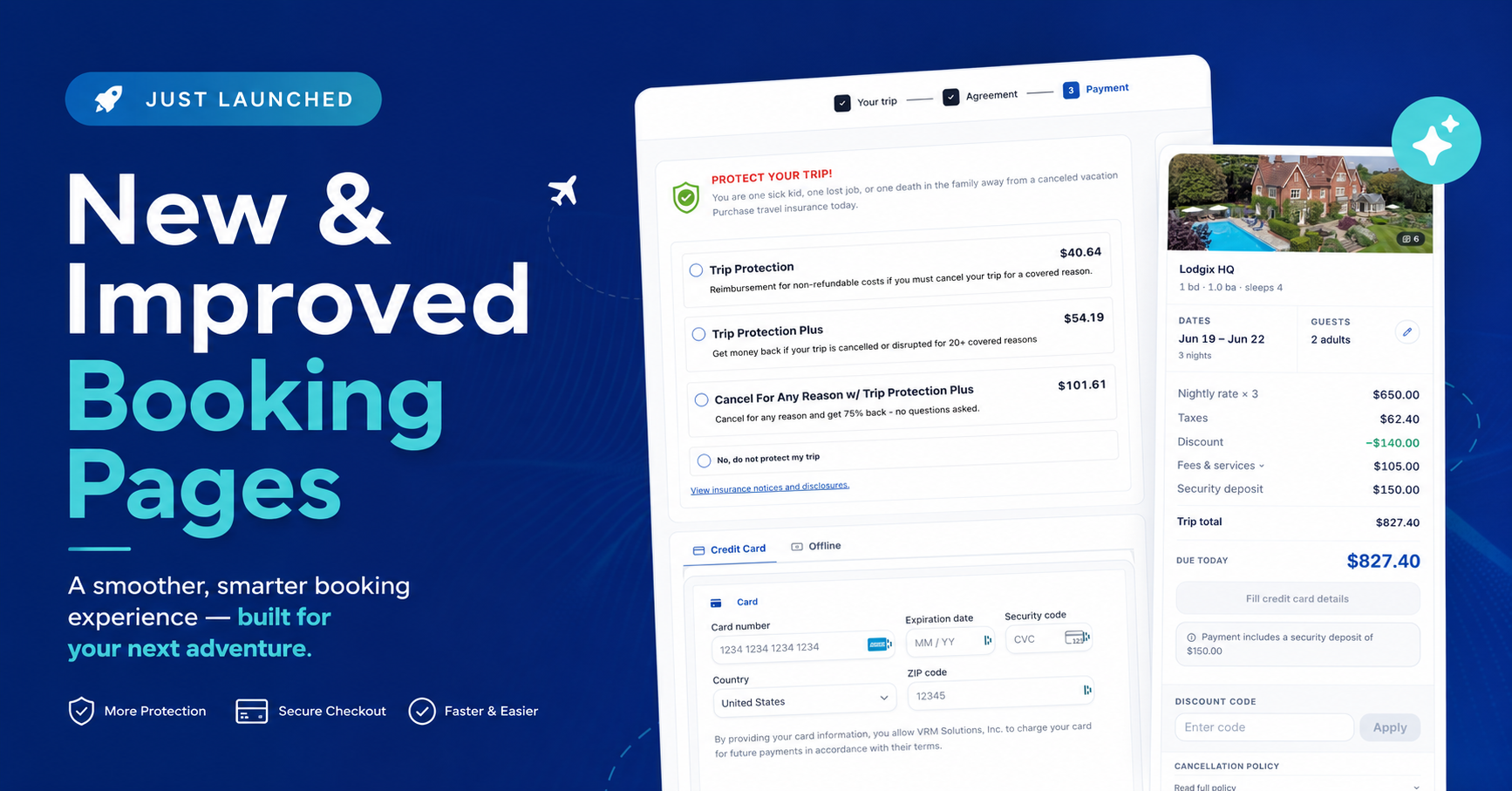
Using a centralized platform like Lodgix to manage guest communications can help, since legitimate messages come from consistent, verifiable sources — making it easier for guests to spot something off.
Practical Tips to Protect Your Business and Your Guests
A combination of strong account security, clear guest communication, and verification habits is the most effective defense against AI-powered phishing.
You can’t stop scammers from existing, but you can make it much harder for them to succeed. Here’s a practical checklist for both your team and your guests:
For your business:
- Enable two-factor authentication (2FA) on every account — your PMS, email, OTA accounts, payment processors, and cloud storage. This single step blocks the vast majority of account takeovers.
- Never share login credentials across staff. Give each team member their own user account with appropriate permissions, so you can track activity and revoke access quickly.
- Use a password manager and require long, unique passwords. “Summer2024!” is not a password — it’s an invitation.
- Train your staff to recognize phishing attempts targeting them, especially fake “urgent” requests from owners or executives.
- Set up SPF, DKIM, and DMARC records on your sending domain so scammers can’t easily spoof your email address.
For your guests (communicate this proactively):
- Tell guests upfront which email address and phone number your real communications come from.
- Remind them you will never ask for payment via wire transfer, gift cards, or cryptocurrency.
- Encourage them to log in directly to the booking platform rather than clicking email links.
- Advise them to verify any urgent payment or cancellation notice by calling your office directly using the number on your website.
- Recommend they enable 2FA on their own email accounts, since a compromised guest inbox is often the starting point for a scam.
Why This Is Only Going to Get Worse — and What to Do About It
As AI tools become cheaper and more capable, phishing attacks will only grow more convincing, making proactive guest education your strongest long-term defense.
Let’s be honest: this problem isn’t going away. AI-generated voice cloning, deepfake video, and fully automated phishing campaigns are already in use, and the cost of running these attacks keeps dropping. A scammer in 2025 can send 10,000 personalized, brand-matched phishing emails for the price of a cup of coffee. That means your guests will keep receiving them, and some will keep falling for them — unless you build awareness into your booking process.
The best property managers are getting ahead of this by adding a short “How to spot scams” note to their booking confirmations, posting warnings on their websites, and reinforcing communication channels at every touchpoint. Platforms like Lodgix let you automate consistent, branded guest messaging, which makes it easier for guests to recognize what a real message from you actually looks like.
Phishing scams aren’t just an IT problem — they’re a guest experience problem, a brand reputation problem, and increasingly, a financial liability. The managers who take this seriously now will be the ones who avoid painful chargebacks, angry reviews, and broken trust down the road. A little education and a few security habits go a long way.
Key Takeaways
- AI has made phishing emails nearly indistinguishable from legitimate brand communications, making vacation rental guests prime targets.
- Most scams use urgency tactics like “payment failed” or “verify your booking” to trick guests into entering payment details on fake pages.
- Enabling 2FA, using unique passwords, and giving each staff member their own login are essential defenses for property managers.
- Proactively educate guests on which email addresses you use and what payment methods you’ll never request.
- AI-powered phishing will keep getting worse, so building consistent, branded communication habits now is your best long-term protection.