Martha’s Vineyard has long held a special place in the hearts of New England travelers — and for good reason. This 87-square-mile island off the coast of Cape Cod, Massachusetts, draws hundreds of thousands of visitors each summer who come for its stunning beaches, charming villages, fresh seafood, and the kind of laid-back coastal atmosphere that’s genuinely hard to find anywhere else on the East Coast. For vacation rental property managers and owners on the Vineyard, understanding what makes a rental property truly shine in this market — and what guests are actually searching for — can make all the difference between a calendar full of bookings and one that’s frustratingly empty. Whether you’re managing a weathered shingled cottage in Edgartown or a modern waterfront home in Aquinnah, knowing your market inside and out is essential.
The Types of Vacation Rentals You’ll Find on Martha’s Vineyard
Martha’s Vineyard offers an exceptionally diverse rental inventory, from historic in-town cottages to sprawling waterfront estates, giving guests — and property managers — plenty of options to work with.
One of the most appealing things about the Vineyard rental market is how much variety exists across the island’s six distinct towns. Each one has its own personality, and the rental properties reflect that.
- Edgartown is the island’s most polished and upscale town, known for its Federal-style architecture, boutique shops, and pristine white fences. Rentals here tend to be elegant historic homes, captain’s houses, and upscale condos that attract guests who want walkability and a refined experience.
- Vineyard Haven (Tisbury) is the primary ferry hub and a busy, year-round community. Rentals here range from charming in-town cottages to larger family homes, and their proximity to the ferry terminal is a genuine selling point.
- Oak Bluffs is arguably the most vibrant and colorful town on the island, famous for its iconic Gingerbread Cottages in the Martha’s Vineyard Camp Meeting Association. Vacation rentals here have enormous character — think Victorian-era cottages with ornate trim, wraparound porches, and a festive energy that guests absolutely love.
- West Tisbury, Chilmark, and Aquinnah offer a more rural, private experience. Rentals in these up-island towns are often larger, more secluded properties — farmhouses, artist studios, and luxury estates with sweeping views of the Gay Head Cliffs or Menemsha Pond. Guests who choose up-island rentals are typically looking for peace, privacy, and a deeper connection to the island’s natural beauty.
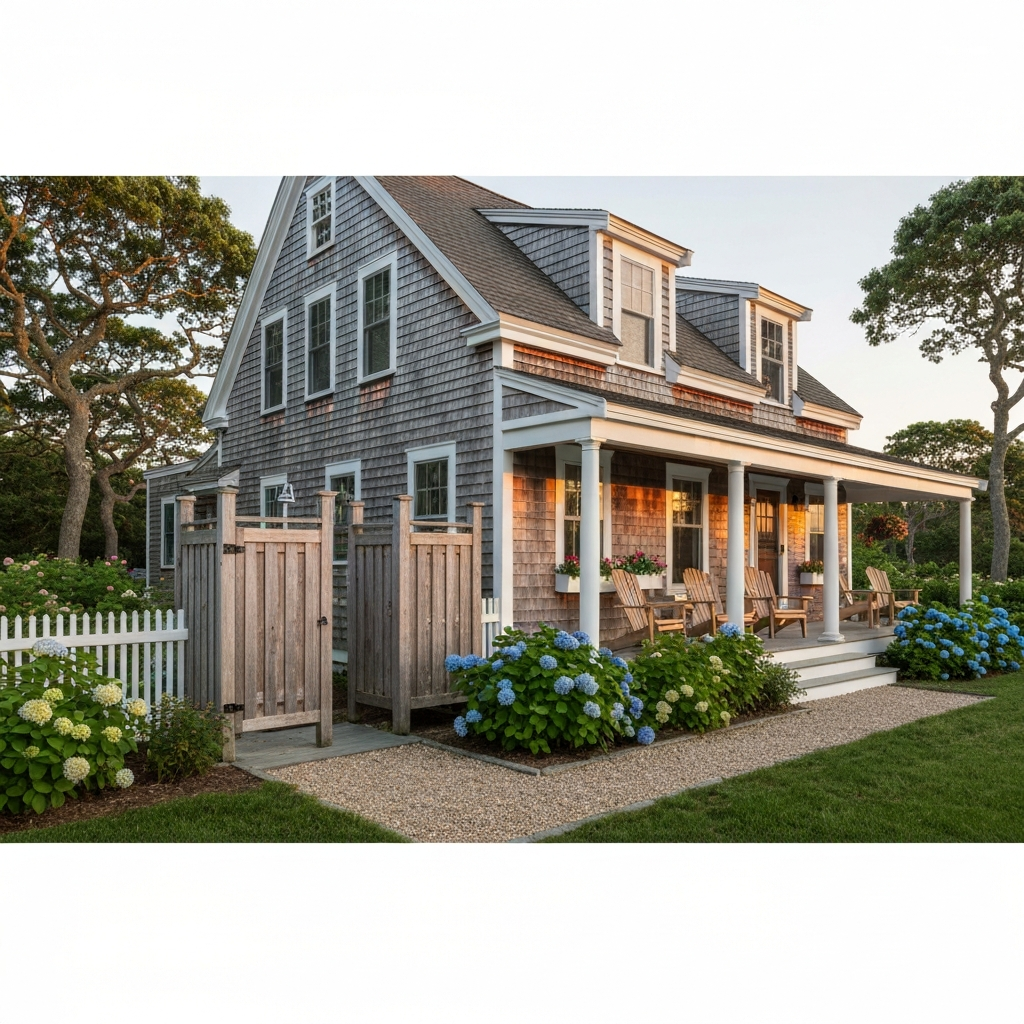
Across all of these areas, the most consistently sought-after property types are single-family homes with outdoor living spaces. Guests traveling to Martha’s Vineyard are often doing so in groups — families, friend groups, multi-generational gatherings — and they want room to spread out. Large porches, outdoor showers (a Vineyard staple), fire pits, and well-equipped kitchens for cooking fresh lobster and local corn all rank high on guest wish lists.
What Makes a Martha’s Vineyard Rental Truly Desirable
Location, outdoor amenities, and authentic island character are the three pillars of a high-performing vacation rental on Martha’s Vineyard.
If you’re managing properties on the Vineyard, it helps to think like your guests. They’ve likely spent considerable money getting to the island, and they have high expectations. Here’s what consistently separates the booked-solid properties from the ones that struggle:
- Proximity to water or beach access: This is, without question, the single biggest driver of rental value on the Vineyard. Properties within walking distance of South Beach, State Beach, Menemsha Beach, or any other public shoreline command premium rates. Private beach access or deeded rights to a local beach is even better. If your property doesn’t have direct beach access, highlight how close it is.
- Outdoor living spaces: A deck, patio, or porch isn’t optional — it’s expected. Guests want to eat outside, watch the sunset, have their morning coffee in fresh salt air. Properties with well-furnished outdoor spaces consistently outperform those without them.
- The outdoor shower: This might sound minor, but outdoor showers are deeply embedded in Vineyard culture. Guests love them. If your property has one, make sure it’s prominently featured in your listing photos.
- Authentic, islander character: Guests aren’t coming to Martha’s Vineyard for a generic vacation rental experience. They want something that feels distinctly of the island. Nautical details, natural wood tones, ship-lap walls, local art, and thoughtful design touches all add up to a sense of place that guests remember and review positively.
- Reliable high-speed internet and good air conditioning: Even in a paradise like the Vineyard, guests working remotely or traveling with children will absolutely check for reliable WiFi. And while ocean breezes help, summer temperatures can climb into the 80s and 90s, making A/C a genuine amenity rather than a luxury.
- Bicycles and beach gear: Providing bikes, beach chairs, umbrellas, and a cooler is a simple, relatively low-cost amenity that earns outsized appreciation in guest reviews. The Vineyard is extremely bike-friendly, with dedicated paths connecting most of the down-island towns.
Tools like Lodgix can help property managers keep track of which amenities are listed across their properties and ensure that every booking confirmation includes accurate, up-to-date details — small things that add up to a smoother guest experience.
Weather, Seasons, and the Best Time to Visit
Martha’s Vineyard has a generous shoulder season that smart property managers should actively market to maximize bookings beyond just July and August.
The Vineyard enjoys a classic New England coastal climate, but the island’s position in Nantucket Sound gives it slightly milder temperatures than mainland Massachusetts — a fact worth mentioning in your property listings. Here’s a quick breakdown of what guests can expect:
- Summer (June–August): This is peak season, full stop. Average temperatures hover between the mid-70s and low 80s°F, the beaches are at their best, and every restaurant, gallery, and attraction is in full swing. July Fourth weekend and the weeks of late July and early August are the most competitive booking periods on the island. Rental rates during peak season are among the highest in New England.
- Shoulder season (May and September–October): This is genuinely wonderful and underrated. Temperatures in September can still reach the mid-70s, the crowds have thinned dramatically, and the island takes on a quieter, more local character. Fall foliage combined with coastal scenery makes October particularly beautiful. Savvy property managers market aggressively to couples, remote workers, and retirees during these months.
- Winter and early spring: The Vineyard is far quieter off-season, with many restaurants and shops closed from November through April. However, there is a small but loyal market of guests who love the island’s stark winter beauty. Year-round rental properties that market specifically to this audience — writers, artists, people seeking a retreat — can still generate meaningful bookings in the off-season.
Understanding the seasonal pattern matters enormously for pricing strategy. Automated rate tools and a well-structured booking calendar are critical for maximizing revenue across a season that spans such a wide range of demand levels.
Getting to the Island: Ferries, Flights, and Whether You Actually Need a Car
Getting to Martha’s Vineyard requires planning, and helping your guests understand transportation options before they arrive is one of the most useful things a property manager can do.
Martha’s Vineyard is an island, which means getting there takes a little more effort than a typical road trip — and it’s something guests think about a lot when planning their visit. As a property manager, being knowledgeable and proactive about transportation logistics can genuinely set your listing apart.
The ferries are the primary way most visitors arrive, and there are a few key options:
- Steamship Authority (Hyannis and Woods Hole): The Steamship Authority is the only ferry service that carries both passengers and vehicles. The Woods Hole route is the most popular — it’s a 45-minute crossing and runs year-round. Hyannis offers a slower, passenger-only ferry in season. Booking vehicle reservations on the Steamship Authority, especially in July and August, needs to happen months in advance. Spots fill up extraordinarily fast.
- Hy-Line Cruises (Hyannis): A seasonal, passenger-only ferry that offers a fast ferry option (about 55 minutes) with a more relaxed, open-air experience. Great for guests who are leaving their car on the mainland.
- Island Queen (Falmouth): A shorter, scenic 35-minute crossing that’s passenger-only and very popular with guests staying in Falmouth who want to do a day trip or bring minimal luggage.
- By air: Martha’s Vineyard Airport (MVY) in West Tisbury handles regular service from Boston, New York, and a handful of regional hubs via carriers like Cape Air. For guests who can’t be bothered with ferry logistics or are making a shorter trip, flying is a convenient if pricier option.
Do guests need a car on the Vineyard? This is one of the most common questions prospective guests have, and the honest answer is: it depends on where your property is located. Guests staying in the down-island towns of Edgartown, Oak Bluffs, and Vineyard Haven can absolutely get by without a car. The Vineyard Transit Authority (VTA) operates reliable bus service connecting all six towns, bike paths are excellent, and taxis and rideshares are available. However, guests staying in up-island areas like Chilmark or Aquinnah will find a car — or at minimum a moped rental — very useful for getting around comfortably. Make sure your listing is clear about this so guests can plan accordingly.
For guests who do bring a car, parking near the island’s main beaches and town centers can be limited in peak season. Properties with off-street parking should highlight this prominently — it’s more valuable than many owners realize.
Top Attractions That Keep Guests Coming Back to the Vineyard
Martha’s Vineyard’s diversity of experiences — from natural wonders to cultural landmarks — is what turns first-time visitors into repeat guests who book the same rental year after year.
Part of what makes marketing a Vineyard vacation rental so rewarding is the sheer richness of what the island has to offer. Guests aren’t coming just for the beach — though the beaches are extraordinary. They’re coming for an experience. Here are some of the highlights worth knowing about and referencing in your property listings and guest communications:
- Gay Head Cliffs (Aquinnah Cliffs): These dramatic, multicolored clay cliffs on the island’s western tip are a National Historic Landmark and one of the most photographed spots in New England. Sunset views from Aquinnah are genuinely breathtaking.
- South Beach (Katama Beach): A three-mile-long barrier beach near Edgartown with Atlantic surf, open dunes, and some of the most dramatic swimming on the East Coast. It’s the kind of beach that earns gasp-out-loud reactions from first-time visitors.
- The Gingerbread Cottages of Oak Bluffs: The Martha’s Vineyard Camp Meeting Association grounds are a truly unique cultural and architectural landmark — a cluster of over 300 brilliantly painted Victorian carpenter-Gothic cottages that look like something out of a storybook. Walking through them is a must.
- Menemsha: This tiny fishing village in Chilmark is where guests go for the freshest lobster rolls and steamers imaginable, eaten on a dock while watching the sun go down over the water. It’s one of those simple, perfect Vineyard experiences that guests talk about for years.
- The Flying Horses Carousel in Oak Bluffs: The oldest operating platform carousel in the United States, dating to 1876. It’s beloved by families and a genuine piece of American history.
- Felix Neck Wildlife Sanctuary and Cedar Tree Neck: For nature-loving guests, the Vineyard’s conservation lands offer miles of trails through forests, wetlands, and coastal habitats that are a world away from the beach crowds.
- Local farm stands and farmers markets: The agricultural tradition on the Vineyard is strong, and guests who love food — especially those renting homes with full kitchens — absolutely love the Morning Glory Farm stand in Edgartown and the West Tisbury Farmers Market.
Mentioning local attractions in your listing description and welcome guide doesn’t just inform guests — it actively sells the experience of staying at your property. Guests booking a vacation rental aren’t just booking a place to sleep; they’re booking a lifestyle for a week or two.
Martha’s Vineyard is, without question, one of the most compelling vacation rental markets in the entire Northeast. The combination of natural beauty, rich cultural history, exceptional dining, and that ineffable island magic creates the kind of loyal guest base that vacation rental managers elsewhere can only dream about. Whether you’re managing a single cottage in Oak Bluffs or a portfolio of luxury homes across the island, understanding what guests value — from outdoor showers to ferry logistics to proximity to South Beach — puts you in a far stronger position to price well, market effectively, and build the kind of reputation that keeps your calendar full season after season. The Vineyard rewards the managers who know it best.
Key Takeaways
- Outdoor amenities, beach proximity, and authentic island character are the top drivers of rental desirability on Martha’s Vineyard.
- The ferry system is the main way guests arrive, and vehicle reservations must be booked months in advance during peak season.
- Guests in down-island towns can manage comfortably without a car, while up-island guests will benefit from having one.
- Shoulder season — particularly September and October — represents a real revenue opportunity that smart property managers should actively market.
- The island’s diverse attractions, from the Gay Head Cliffs to the Gingerbread Cottages, are powerful selling points that belong in every property listing and guest welcome guide.